November 13, 2026
Dental Implants Bakersfield CA for Adults of All Ages
By @kameronqylb458
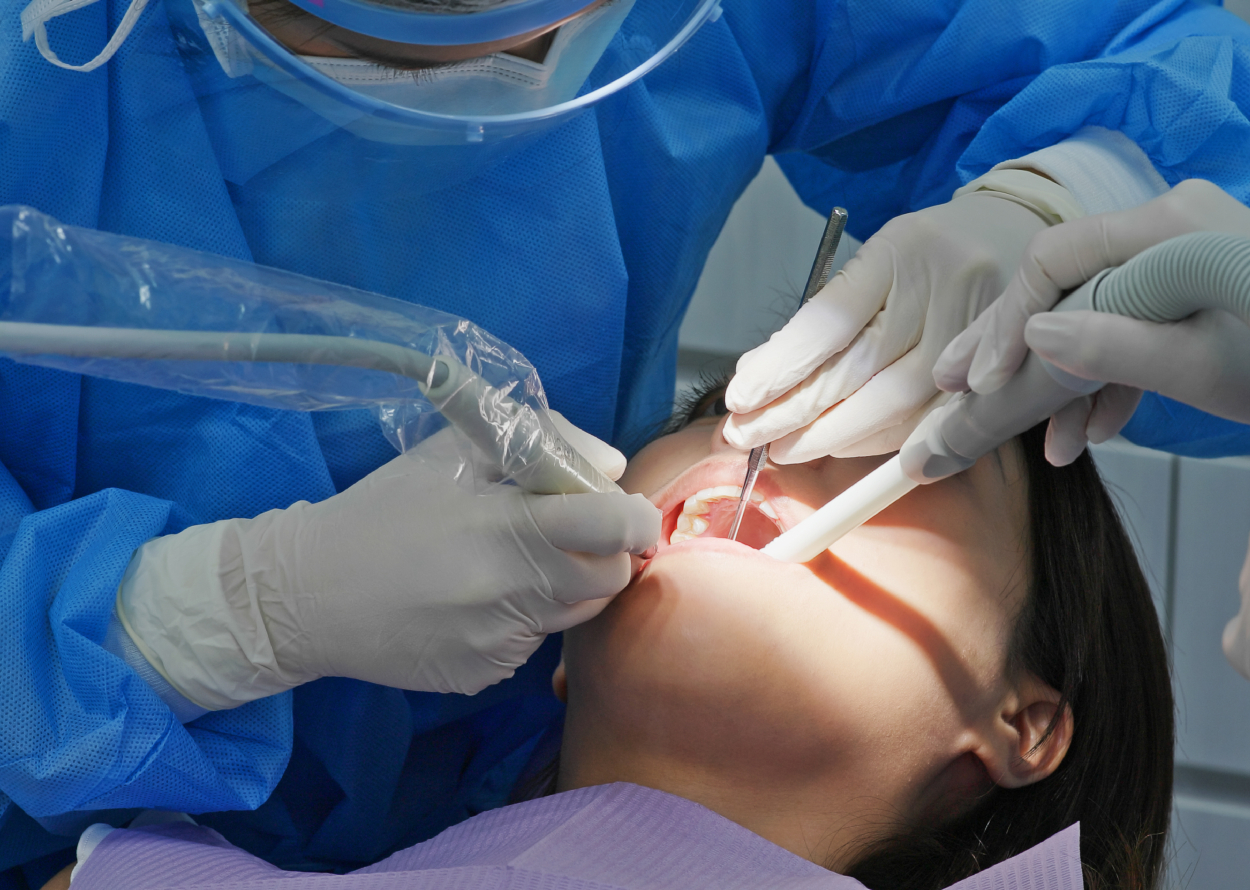
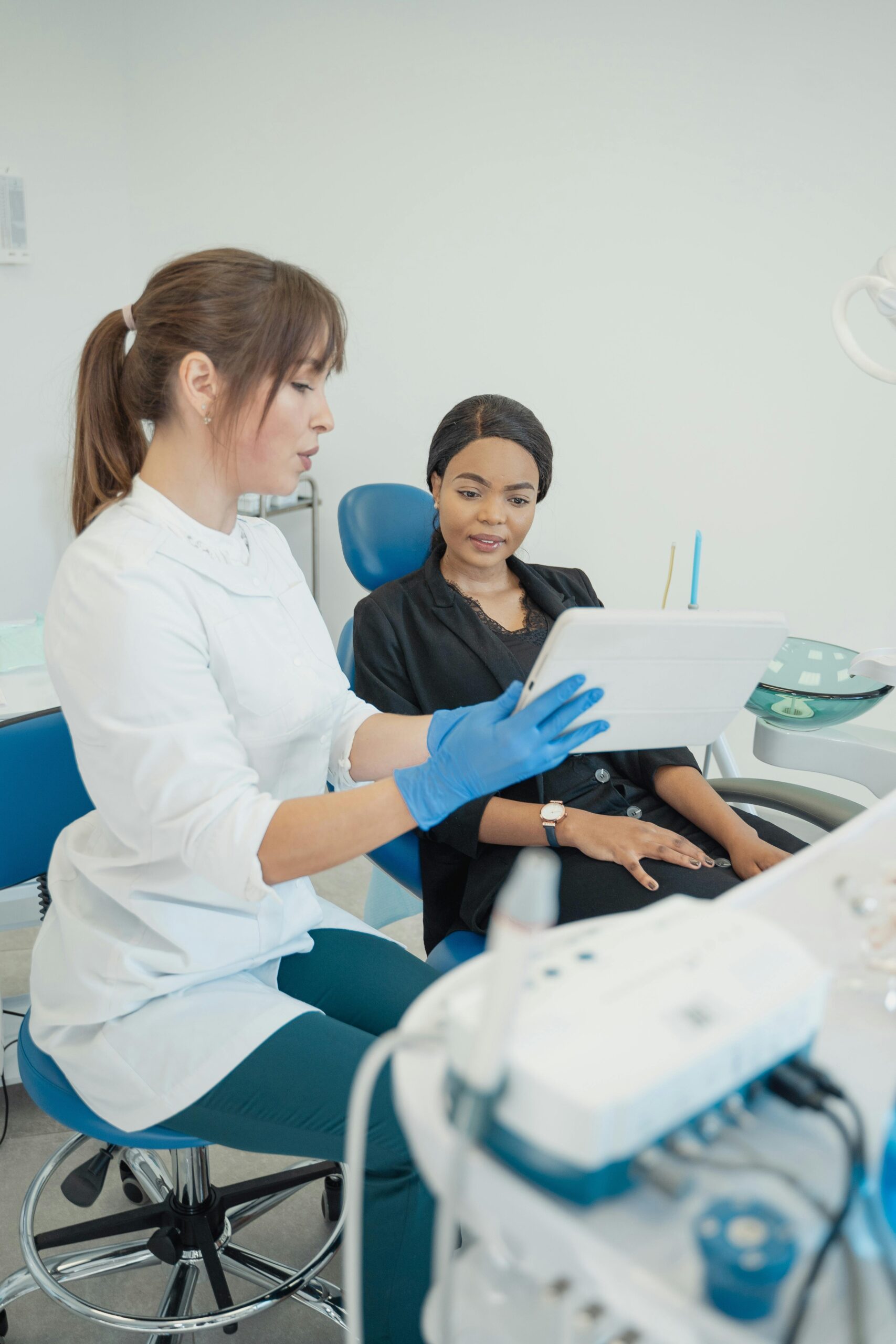

Losing a tooth changes more than a smile. It affects how people chew, how they speak, how comfortable they feel in photos, and in many cases how they carry themselves in everyday conversation. For adults considering tooth replacement, dental implants often come up quickly, and for good reason. They are stable, long-lasting, and designed to function more like natural teeth than traditional removable options.
When people search for Dental Implants Bakersfield CA, they are rarely looking for a generic answer. They want to know whether implants make sense for their age, their health history, their budget, and their timeline. A healthy 32-year-old who lost a front tooth in an accident has very different concerns than a 72-year-old who is tired of a slipping denture. The good news is that implants can work well across adulthood, provided the planning is thorough and the expectations are realistic.
What matters most is not whether someone is "too old" or "too young" in broad terms. What matters is bone support, gum health, medical stability, and a treatment plan that fits the person sitting in the chair.
Why age matters less than people think
Many adults assume implants are mainly for middle-aged patients. Others think they missed their chance if they have worn dentures for years. Both assumptions are off the mark.
Dentists evaluate implant candidacy based on anatomy and health, not just a birth date. Once jaw growth is complete, implants may be an option for younger adults. On the other end of the spectrum, many older adults do very well with implants, including people in their late sixties, seventies, and beyond. It is common to see older patients gain a dramatic improvement in quality of life after implant treatment, especially if they have struggled with loose lower dentures or missing back teeth that made chewing difficult.
A patient in their forties may have more bone than a patient in their twenties who lost a tooth years earlier and waited to replace it. A patient in their seventies may heal predictably because they maintain excellent health, keep their diabetes controlled, and do not smoke. Age gives context, but it does not decide the case.
What a dental implant actually replaces
A dental implant is a small post, usually made of titanium or a similar biocompatible material, placed into the jawbone where a tooth root used to be. Over time, the bone bonds with the implant. That process creates the foundation for a crown, bridge, or denture attachment.
This root-level replacement is the major difference between implants and more traditional restorations. A bridge spans the space, but it does not replace the missing root. A removable denture restores visible teeth, but it rests on the gums and underlying bone instead of integrating with bone. That distinction matters because the jawbone responds to pressure and stimulation. When a tooth root is lost, the bone in that area tends to shrink over time. Implants help preserve that support.
Patients usually notice the practical benefit before they think about the biology. They want to bite into a sandwich without worrying, laugh without checking whether a denture shifted, or stop avoiding one side of the mouth. Implants are often recommended because they address those daily frustrations directly.
Younger adults often choose implants for function and confidence
For adults in their twenties, thirties, and forties, tooth loss commonly follows trauma, a failed root canal, severe decay, or congenital absence of a tooth that never developed. These cases often carry an emotional component. A missing front tooth at age 29 feels very different than losing a molar at 69, even if both deserve careful treatment.
Younger adults typically want three things at once: a natural appearance, strong chewing function, and a result that will not require constant maintenance. Implants can meet those goals well, but the timing matters. If a tooth has just been removed, sometimes an implant can be placed soon after extraction, depending on infection, bone condition, and position. Other times the site needs to heal first. Front teeth demand especially careful planning because even a technically successful implant can look disappointing if the gumline is uneven or the crown shape does not match the neighboring teeth.
A common real-world issue is impatience. Many younger patients have work obligations, social events, or upcoming weddings and want everything finished quickly. Speed is understandable, but rushing the process can produce compromise, especially when bone grafting or tissue shaping is needed for appearance. Good implant work often rewards patience.
Middle-aged adults are often balancing several dental priorities
Patients in their forties and fifties tend to come in with a different set of concerns. Tooth loss at this stage is often tied to long-standing wear, cracked teeth, gum disease, older dental work that is failing, or years of postponing treatment while raising children or focusing on work. Implants may be only one part of a broader plan.
It is not unusual for a middle-aged patient to need a decision between saving a heavily restored tooth and replacing it with an implant. That is not always a simple call. Natural teeth are valuable, and preserving them when possible is often worth the effort. At the same time, there are teeth that consume years of retreatment, crowns, root procedures, and emergency visits before they finally fail. In those cases, a well-placed implant can become the more stable long-term option.
This is the age group where planning needs judgment. A dentist should look at bite forces, clenching habits, neighboring teeth, and the condition of the gums. A single implant placed into an unstable mouth does not solve the larger problem. If the patient grinds heavily at night, for example, the final crown design and a night guard may matter as much as the implant itself.
Older adults often benefit the most from improved stability
For adults in their sixties, seventies, and older, implants can be life-changing. The most dramatic examples are often people who have worn dentures for years and are worn down by movement, sore spots, and limitations with food. Lower dentures are especially notorious for slipping because the lower jaw offers less surface area for suction than the upper jaw.
Even two well-positioned implants can significantly improve denture retention in the lower arch. Patients who have spent years using adhesive often describe this shift in simple terms: they can finally eat comfortably, speak without worry, and forget about the denture for longer stretches of the day. That kind of stability is not cosmetic luxury. It affects nutrition, social ease, and comfort.
Older adults sometimes hesitate because they assume healing will be poor or surgery will be too difficult. In practice, many implant placements are more manageable than people expect. Local anesthesia is standard, and the procedure for a single implant is often less dramatic than the patient imagined. Recovery varies, but most people are back to ordinary routines quickly, with some soreness and swelling but not the kind of prolonged downtime they fear.
The more important question is whether there is enough bone and whether the patient can maintain the implants well. Dexterity matters. If arthritis or other limitations make home care difficult, the treatment design may need adjustment. A removable overdenture on implants can sometimes be easier to clean than a fixed full-arch option for the wrong patient. More treatment is not always better treatment.
Bone loss is one of the biggest variables
One of the first realities patients learn is that losing a tooth does not freeze the mouth in place. The bone in that area changes. Sometimes it changes slowly, sometimes faster than expected. If a tooth was removed years ago, the ridge may be narrower or shorter than ideal for implant placement.
That does not automatically rule implants out. Bone grafting is common. A socket can be grafted when a tooth is extracted, or an area can be augmented later to rebuild support. Sinus lifts may be discussed for upper back teeth when the sinus leaves limited vertical bone. These are routine parts of implant dentistry, but they do add cost, healing time, and complexity.
This is one reason early evaluation helps. Someone who knows a tooth will likely need extraction in the near future often benefits from discussing the replacement plan before the tooth comes out. Preserving bone from the beginning can make the implant process smoother later.
Health conditions do not always prevent implants, but they do shape the plan
Patients sometimes arrive expecting a yes or no answer based on a diagnosis. The reality is more nuanced. Many people with common medical conditions still qualify for implants. Controlled diabetes, for example, does not necessarily rule them out, but uncontrolled diabetes can affect healing and infection risk. Smoking raises concerns, especially for grafting and long-term gum stability around implants. Certain medications and a history of radiation to the jaws also deserve careful review.
A strong implant evaluation usually includes a frank conversation about health habits, not just dental wishes. That conversation should not feel judgmental. It should feel practical. If a person smokes a pack a day and wants a full set of implants, they deserve an honest explanation of the trade-offs. The same goes for patients with advanced gum disease. An implant placed into a mouth with uncontrolled periodontal problems is not a shortcut around disease control.
A sensible screening conversation often centers on a few essentials:
- whether jaw growth is complete
- whether gum disease is active or previously treated
- whether medical conditions are stable and managed
- whether enough bone is present, or can be predictably rebuilt
- whether the patient can keep the area clean long term
Those five points tell more than age alone ever will.
The process is not instant, even when the surgery is straightforward
Marketing can make implants sound quick. Sometimes treatment moves efficiently, especially with a healthy extraction site and good bone. Still, patients are better served when they understand the likely sequence and the places where timing can change.
The planning phase usually includes a clinical exam, imaging, and a discussion of bite, space, and cosmetic expectations. A three-dimensional scan is often used to evaluate bone and nearby anatomy. If a tooth needs removal, the timing of extraction, grafting, and implant placement will depend on the condition of the site. Once the implant is placed, healing may take several months before the final tooth is attached, though timelines vary.
This pacing can frustrate people who feel ready to "just get it done." Yet the waiting period is not dead time. It is the interval that allows bone to integrate with the implant. When treatment is compressed for the wrong reasons, problems tend to surface later in the form of poor esthetics, loose components, or tissue issues.
Temporary solutions matter here. A front tooth area should not be managed casually while healing takes place. The temporary restoration needs to protect the site and preserve appearance without putting harmful pressure on the implant or graft.
Cost deserves a direct conversation
Implants are an investment, and patients know it. They should not have to drag pricing information out of a dental office. While exact fees vary by case, a single implant restoration often includes more than one charge: extraction if needed, grafting if needed, the implant itself, the abutment or connector, and the final crown. A straightforward case differs significantly from one that needs site development.
Cost comparisons also need context. A bridge may have a lower initial fee than an implant, but it usually involves preparing the neighboring teeth. If those teeth already need crowns, a bridge can make sense. If they are intact and healthy, the equation changes. Dentures can be less expensive upfront, but relines, remakes, adhesives, and ongoing instability https://pastelink.net/6jijv566 can influence long-term value.
For many families, the best approach is not asking, "What is the cheapest way to fill this space?" It is asking, "What is the most sensible use of resources over the next ten to fifteen years, given my mouth and my priorities?" That is a better question, and it usually leads to a more honest treatment discussion.
Appearance depends on planning, not just technology
Patients understandably focus on whether an implant will be strong, but in visible areas the look of the final result is just as important. The crown needs to match surrounding teeth in shape, shade, and translucency. The gumline needs to frame the tooth naturally. The tissue between teeth, often called the papilla, plays a major role in whether the result blends in or announces itself.
This is where experience shows. The front zone can be unforgiving. A millimeter matters. If the implant is too far facial, too deep, or too shallow, the final crown may function fine while still looking off. That does not mean implants in the smile zone are risky by default. It means they require detailed planning and, often, coordinated work between the surgeon, restorative dentist, and lab.
When evaluating Dental Implants Bakersfield CA, patients should pay attention to how the office discusses esthetics. Strong implant providers do not talk only about placing the post. They talk about tissue contours, temporary shaping, and how the final tooth will harmonize with the smile.
Full-arch treatment needs careful judgment
Some adults are not replacing one tooth or two. They are deciding what to do with an entire upper or lower arch that has become difficult to maintain. This can involve advanced gum disease, widespread decay, broken-down teeth, or decades of patchwork dentistry. Full-arch implant treatment may be a reasonable option, but it is a major decision, not a casual upgrade.
There are different ways to approach full-arch care. Some patients do well with implant-retained overdentures that snap into place and can be removed for cleaning. Others pursue fixed options that remain in place. Neither is universally better. A fixed full-arch prosthesis can feel more natural to some patients, but it also requires excellent maintenance and regular professional follow-up. An overdenture may offer easier hygiene and a lower fee in certain cases.
The right choice depends on dexterity, expectations, anatomy, budget, and how much maintenance the patient can realistically commit to. This is where candid conversations matter more than sales language.
Maintenance is where long-term success lives
An implant does not get a cavity, but it can absolutely develop problems if neglected. Plaque and inflammation around implants can lead to bone loss, sometimes quietly. Patients who think an implant is maintenance-free are starting from the wrong premise.
Daily home care needs to be consistent. Professional cleanings and implant checks matter. Bite changes, loosened screws, worn night guards, or tissue inflammation should be addressed early, not after discomfort appears. People who keep their implants healthy usually treat them the way they would treat any valuable restoration, with routine attention rather than crisis-based care.
A few questions are worth asking before committing to treatment:
- Who is handling each phase, surgery, final restoration, or both?
- What happens if I need grafting or a temporary tooth?
- How long is the expected timeline for my specific case?
- What kind of maintenance will this restoration require at home?
- What signs of trouble should prompt a follow-up visit?
Those answers often reveal the difference between a customized plan and a generic pitch.
Choosing the right time to move forward
There is rarely a perfect time for dental treatment. Work is busy, family obligations pile up, insurance calendars complicate decisions, and many adults have spent years putting their own care second. Still, delaying a missing tooth for too long can narrow options. Teeth can drift. Opposing teeth can over-erupt. Bone can shrink. A case that might have been straightforward can become more involved.
That does not mean every missing tooth must be replaced immediately. Some spaces are more urgent than others, and some patients need to phase treatment thoughtfully. The key is informed timing. Even if a patient is not ready to begin today, an exam and treatment plan can preserve future choices.
Adults looking into Dental Implants Bakersfield CA are often at a turning point. They are tired of managing around a problem. They want something steady, functional, and lasting. Implants can absolutely provide that, for younger adults rebuilding after injury, for middle-aged patients deciding how to stop the cycle of repeated dental failure, and for older adults who want to eat, speak, and smile with confidence again.
The best implant cases are rarely the flashiest ones. They are the cases where the plan fits the person, the biology supports the work, and the patient knows what is being done and why. That combination, more than age, is what gives implants their staying power.
Smyle Dental Bakersfield
2016 E St, Bakersfield, CA 93301, United States
+16614939040
FAQ About Dental Implants Bakersfield CA
What is the downside of a dental implant?
The main downsides of dental implants involve high financial costs, surgical risks, a lengthy healing process, and the potential for long-term complications.
How much does a full set of implants usually cost?
A full set of dental implants (covering both the upper and lower arches) typically ranges from $6,000 to $90,000+, depending heavily on the type of treatment, materials used, and whether the teeth are fixed or removable.
Can I have all my teeth pulled and get implants?
Yes, you can have all your teeth pulled and replaced with dental implants. Instead of placing a separate implant for every single tooth (which is costly and time-consuming), dentists typically use full-arch systems.
❧