September 28, 2026
What Causes Pressure and Pain Before Wisdom Teeth Removal in Oxnard CA
By @kameronqylb458
Pressure around the back of the jaw is one of the most common reasons people finally book an appointment for wisdom tooth evaluation. It often starts subtly. A dull ache appears behind the last molar. Chewing feels different on one side. There may be a sense that something is pushing from under the gums, especially in the late teens or twenties. Then the discomfort becomes harder to ignore. Sleep gets interrupted. The jaw feels tight. Even swallowing or opening wide can feel awkward.
For patients seeking Wisdom Teeth Removal Oxnard CA, that pressure and pain usually come from more than one source. Wisdom teeth, also called third molars, erupt later than the rest of the adult teeth. By the time they try to emerge, the jaw may not have enough space to accommodate them. When that happens, the body does not simply stop trying. Bone, gum tissue, neighboring teeth, and the erupting tooth itself can all become part of a slow mechanical conflict. That is where the familiar sensations of fullness, tenderness, and throbbing often begin.
The details matter, because not all pre-removal pain means the same thing. Some discomfort is caused by straightforward eruption pressure. Some points to inflammation around a partially erupted tooth. Some suggests an actual infection. A smaller group of patients comes in with what they describe as wisdom tooth pain, but the real culprit turns out to be clenching, sinus pressure, or a cavity on the second molar next door. Good diagnosis depends on sorting through those patterns carefully.
Why wisdom teeth create pressure in the first place
Most permanent teeth erupt during childhood or early adolescence, when the jaw is still developing and making room. Wisdom teeth arrive late, commonly between ages 17 and 25, though the timing varies. By then, the available space in the lower and upper arches may be limited. If a third molar cannot come in along a clear path, it may tilt forward, lean backward, remain trapped under the gum, stay partly buried in bone, or erupt only partway.
That imperfect eruption produces pressure in several ways. The simplest is physical crowding. The tooth is trying to move into a space that is too tight, and the surrounding tissues respond. The periodontal ligament, which is the tiny shock-absorbing structure anchoring the tooth, can become irritated. The overlying gum tissue stretches and inflames. The jaw muscles may reflexively tighten when chewing on a sore area. Patients often describe it as a deep pushing sensation rather than a sharp toothache.
Lower wisdom teeth cause this complaint more often than upper ones. The lower jaw tends to offer less room, and impacted lower third molars frequently angle toward the second molar. That angle creates a localized pressure point. A patient may feel as though the back molar is being squeezed from behind. In some cases, that feeling is accurate. Even when no visible movement is happening, the surrounding soft tissue and bone can still register the strain.
I have seen many patients assume that severe pain means the tooth must be fully erupted and obviously infected. In reality, some of the most bothersome pressure comes from teeth that are still hidden. An impacted wisdom tooth can sit under the gum for months or years and then become symptomatic when the surrounding tissues change, when the tooth shifts slightly, or when bacteria gain access to a partially opened area.
Impacted wisdom teeth are the leading cause
When dentists and oral surgeons talk about impacted wisdom teeth, they mean the tooth does not have a normal path to erupt into functional position. Impacted teeth can remain completely covered by bone, partly covered by gum tissue, or partially visible in the mouth. The degree and angle of impaction strongly influence symptoms.
A mesial impaction, where the tooth leans forward toward the second molar, often creates a feeling of pressure at the contact point between the two teeth. Food traps easily in that area, cleaning becomes difficult, and the second molar may become tender. Vertical impactions may stay quiet for a while, then flare once the tooth begins pressing into soft tissue near the gumline. Horizontal impactions can create persistent deep jaw soreness because the tooth lies sideways, exerting force in a direction nature did not intend.
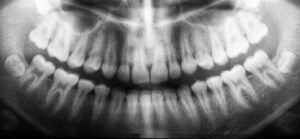
This is one reason X-rays matter so much. Two people can report almost identical symptoms, yet one has a simple soft tissue impaction and the other has a tooth pressing directly against the root of the second molar. The treatment timeline, urgency, and surgical complexity may differ quite a bit.
In Oxnard, where https://lukasryhj092.sagecurrent.com/posts/wisdom-teeth-removal-oxnard-ca-what-to-expect-from-start-to-finish many patients delay evaluation until pain interrupts work or school, impacted wisdom teeth are often found after weeks or months of intermittent symptoms. The pattern is familiar. A patient says the pain comes and goes, flares for three days, improves, then returns stronger. That waxing and waning course usually reflects cycles of inflammation rather than a problem that has truly resolved.
When the gum tissue becomes inflamed
A partially erupted wisdom tooth creates a particularly troublesome setup. Part of the tooth emerges, but a flap of gum tissue still covers the rest. That flap, often called an operculum, can trap food debris and bacteria. Once bacteria collect under it, the tissue swells, becomes tender, and may even get traumatized by the opposing tooth during chewing.
This condition, known clinically as pericoronitis, is one of the most common causes of pain before wisdom teeth removal. Patients often describe it in vivid, practical terms. The area feels swollen, they cannot comfortably chew on that side, and the back of the mouth tastes bad. Some notice a foul odor despite brushing regularly. Others say it feels like the gum is being pinched every time they close their teeth together.
Pericoronitis can be mild, moderate, or surprisingly aggressive. In mild cases, it causes localized soreness and puffiness. In more significant cases, it can limit mouth opening, produce pain that radiates toward the ear, and trigger swollen lymph nodes under the jaw. If infection spreads, facial swelling and fever may develop, which is a more urgent situation.
The pain from inflamed gum tissue is often easy to distinguish from cavity pain once you know what to look for. Instead of reacting mainly to sweets or cold drinks, the area hurts with pressure, chewing, jaw movement, and contact with food. The gum looks red or swollen, and touching it with a toothbrush can be unpleasant. Patients sometimes stop brushing there because it is tender, which unfortunately allows more plaque to accumulate and worsens the cycle.
Infection changes the character of the pain
Pressure is one thing. Infection is another. A wisdom tooth area that moves from mild fullness to pounding pain, swelling, bad taste, or drainage is no longer just dealing with eruption mechanics. Bacteria have likely become part of the problem.
Infection can occur around the gum tissue, within a decay-damaged wisdom tooth, or in the trapped area between the wisdom tooth and the second molar. When infection is present, the pain usually feels more intense, more constant, and more inflammatory. Patients may say the area throbs or feels hot. They may wake at night with pain or notice sensitivity spreading into the throat, ear, or temple.
Not every infected wisdom tooth looks dramatic at first glance. Sometimes the only early sign is tenderness with slight puffiness behind the second molar. By the time facial swelling appears, the process has already been active for a while. That is why persistent pain in the back of the mouth deserves evaluation even if the face still looks normal.
A practical rule patients can remember is this:
- Pressure alone often feels dull, tight, or crowded.
- Inflammation usually adds tenderness, redness, and chewing pain.
- Infection often brings throbbing, swelling, bad taste, drainage, or fever.
- Referred pain can make the ear, temple, or jaw joint feel involved even when the source is the tooth.
Those categories overlap, but they help explain why one person can tolerate a wisdom tooth for months while another suddenly needs urgent care over a weekend.
The neighboring tooth may be suffering too
One of the more overlooked sources of pain before wisdom tooth removal is damage to the second molar, the tooth just in front of the wisdom tooth. When a wisdom tooth is partially impacted and angled forward, it creates a sheltered pocket that is hard to clean. Bacteria and food debris collect there. Over time, that can cause gum inflammation, bone loss, or decay on the back side of the second molar.
This matters because patients often assume the wisdom tooth itself is the only issue. Sometimes the sharper pain, especially pain to cold or sweets, is actually coming from the second molar. If the impacted wisdom tooth has been pressing against it for a long time, the contact area may trap plaque so effectively that a cavity forms where the patient cannot see or reach it.
I have seen cases where a patient came in expecting a straightforward wisdom tooth consultation and left learning that the second molar needed restoration as well. That can be frustrating, particularly for someone who felt only vague pressure until the problem escalated. It is also one reason dentists often recommend removing problematic wisdom teeth before they jeopardize a healthy neighboring tooth.
Root irritation can happen too. If the wisdom tooth presses hard enough against the second molar, the surrounding ligament and bone can become inflamed. The result may feel like a sore back molar rather than a classic wisdom tooth ache. That overlap is why a clinical exam without imaging can miss important details.
Cysts, less common complications, and hidden pathology
Not every painful wisdom tooth has a dramatic complication, and it would be irresponsible to suggest otherwise. Most pre-removal pain comes from impaction, gum inflammation, or infection. Still, oral surgeons remain alert for less common issues that occasionally surround unerupted third molars.
A fluid-filled sac, called a dentigerous cyst, can form around the crown of an impacted tooth. Many cysts are discovered on imaging before they cause symptoms, but larger ones can create pressure by expanding slowly in the jawbone. That kind of pressure tends to be deep and vague rather than sharply localized. Patients may not notice much until the lesion is already sizable.
Bone loss near the second molar, root resorption, or significant decay under the gumline may also contribute to discomfort. These are not everyday findings in every wisdom tooth case, but they are real enough that persistent symptoms should not be brushed off as simple teething.
This is where judgment matters. Mild intermittent pressure in an 18-year-old with erupting third molars is common. Persistent pain with swelling, foul taste, difficulty opening, or symptoms that keep recurring every few weeks deserves a more thorough workup.
Why the pain can spread to the ear, throat, and jaw
One reason wisdom tooth pain feels confusing is that the nerves of the jaw do not always present with neat boundaries. A problem near the back of the lower molars can radiate upward toward the ear, downward into the throat, or outward into the jaw muscles. Patients often worry they have an ear infection or temporomandibular joint trouble when the real source is a lower wisdom tooth.
Muscle guarding adds another layer. If chewing hurts, people unconsciously shift how they bite, clench more, or keep the jaw slightly tense. After a few days, the muscles themselves start aching. That can produce temple soreness, headaches, or fatigue around the jaw joints. The original dental problem is still there, but now it has recruited the surrounding muscles.
Upper wisdom teeth can create their own odd symptom pattern. Pain in the upper back jaw may feel close to the sinuses, especially if there is inflammation around the tooth or if the roots sit near the sinus floor. Patients sometimes report pressure under the cheekbone or behind the eye. The overlap can be surprisingly deceptive.
Not every pressure sensation means removal is urgent
This is an area where a balanced explanation helps. Wisdom teeth do not all need to be removed the moment they become noticeable. Some erupt normally and function without major trouble. Others cause brief eruption soreness that settles. The key issue is whether the tooth has enough room, can be kept clean, and is damaging surrounding tissues or likely to do so.
A patient with mild occasional pressure but no swelling, no recurrent gum infections, no cavity risk, and favorable eruption angle may be monitored rather than rushed to surgery. By contrast, a patient with repeated episodes of pericoronitis, food trapping, early decay on the second molar, or clear impaction usually benefits from removal before the pattern worsens.
Age also matters. Younger patients generally heal more predictably and often have less dense bone around developing roots. That can make removal less complex than waiting until the thirties or forties, when roots are fully formed and the bone is more resistant. Still, every case should be individualized. The right timing is based on anatomy, symptoms, and risk, not on a blanket rule.
What dentists in Oxnard usually look for during evaluation
When someone comes in for Wisdom Teeth Removal Oxnard CA, the examination is not just about confirming that a tooth exists in the back of the mouth. The real task is to determine why it hurts, what structures are involved, and how soon treatment should happen.
A thorough evaluation often focuses on several practical questions:
- Is the wisdom tooth fully erupted, partially erupted, or impacted?
- Is there swelling, trapped debris, drainage, or signs of pericoronitis?
- Is the second molar being damaged by contact, decay, or bone loss?
- How close are the roots to important structures such as the mandibular nerve or sinus?
- Are the symptoms truly dental, or could another condition be mimicking wisdom tooth pain?
That last point deserves emphasis. Sometimes patients present with classic “wisdom tooth” complaints, but the exam reveals a cracked filling, jaw clenching, or gum infection somewhere else. A careful provider does not skip that differential just because third molars are present on the X-ray.
Signs the problem is moving beyond simple discomfort
Patients often ask when pressure stops being something to watch and starts being something to act on. There is no single line for everyone, but certain changes suggest the situation is becoming more serious. Worsening swelling, difficulty opening the mouth, pain with swallowing, fever, and bad-tasting drainage are all important. So is pain that repeatedly returns after short quiet periods.
A mild soreness after a long day of chewing is one thing. A back-of-the-mouth area that flares every month, traps food constantly, and leaves the gum puffy is another. That repetitive cycle usually means the underlying anatomy is not self-correcting.
There is also a quality-of-life component that is easy to underestimate. People adapt in small ways. They avoid chewing on one side. They brush gingerly. They live on softer foods during flare-ups. They keep ibuprofen nearby. Those workarounds make the problem seem manageable, but they are often signs that the tooth has already become a recurring burden.
How patients can describe the pain in a useful way
When patients explain symptoms clearly, diagnosis is faster and more accurate. Vague statements like “my whole jaw hurts sometimes” are understandable, but details help your dentist or oral surgeon separate pressure, inflammation, and infection.
The most useful descriptions include when the pain started, whether it comes and goes, what makes it worse, and whether there is swelling or a bad taste. Mention if the pain wakes you at night, if the jaw feels stiff, or if chewing on crunchy foods triggers a flare. Also mention any recent cold symptoms, clenching, or dental work, because those can muddy the picture.
A short symptom diary for a week can reveal patterns patients do not notice in the moment. For example, some discover the pain peaks after food gets stuck under the gum flap. Others realize it worsens during stressful periods when they clench more. Those clues can change the urgency and the treatment plan.
What to do while waiting for removal
If wisdom tooth removal is already scheduled, the goal becomes controlling inflammation and preventing the situation from tipping into infection before surgery. Gentle but thorough hygiene is essential, even when the area is sore. Warm saltwater rinses often help calm irritated gum tissue and loosen debris around a partially erupted tooth. Over-the-counter pain relievers can reduce discomfort if they are medically appropriate for the patient.
Soft foods are often better tolerated during flare-ups, but avoiding chewing on the sore side is only a temporary coping strategy. It does not solve the underlying problem. If swelling increases, if you develop fever, or if you cannot open comfortably, the office should be contacted rather than waiting it out. A tooth that was scheduled for routine removal can become an urgent problem faster than many patients expect.
Antibiotics, when prescribed, can reduce active infection, but they are not a permanent fix for an impacted or chronically inflamed wisdom tooth. This is a point worth making clearly. Patients sometimes feel much better after a course of medication and assume removal is no longer necessary. In many cases, the symptoms quiet because the bacterial load dropped, while the anatomical trap that caused the infection remains unchanged. Once the medication is finished, the cycle can return.
The local angle in Oxnard CA
In a community like Oxnard, timing often intersects with real life. College breaks, work schedules, family care responsibilities, and insurance timing all influence when people seek treatment. It is common for patients to wait until a flare-up becomes impossible to ignore. By then, what started as pressure from eruption may have turned into inflamed gum tissue or a second molar problem.
That is why earlier evaluation helps, even if surgery is not done immediately. A consultation can identify whether the pressure is a normal short-term eruption issue, an impaction likely to worsen, or an active infection that needs prompt attention. It also gives patients time to plan around school, work, and recovery rather than making decisions in the middle of pain.
For anyone considering Wisdom Teeth Removal Oxnard CA, the important takeaway is that pressure and pain are not random. They usually reflect a mechanical issue, an inflammatory process, or both. The body is signaling that the area at the back of the mouth is under strain. Sometimes that strain is mild and monitorable. Often, especially with partial eruption or impaction, it is the early warning sign of a problem that will keep returning until the tooth is addressed.
When the symptoms are understood correctly, treatment decisions become much easier. Pressure has a cause. Pain has a pattern. And in the case of wisdom teeth, those patterns often tell you exactly why removal was recommended in the first place.
Oxnard Dentistry
1730 E Gonzales Rd
Oxnard, CA 93036, United States
Phone: +1 805-307-8731
FAQ About Wisdom Teeth Removal Oxnard CA
How much does it cost to get wisdom teeth removed in California?
Fees depend on tooth position, the number of extractions, imaging and anesthesia. Oxnard Dentistry can provide an individual estimate after examining your teeth. Ask for an itemized plan and confirm insurance benefits before scheduling.
Will insurance cover wisdom teeth removal?
Coverage and out-of-pocket costs vary by policy and the treatment required. Ask the dental office and your insurer to verify benefits, annual limits and any authorization requirements. A benefit estimate does not guarantee payment.
Is 30 too old to have wisdom teeth removed?
Age alone does not determine whether extraction is appropriate. A dentist evaluates symptoms, tooth position, oral health and medical history. Healthy, functional wisdom teeth may be monitored; teeth causing disease or other problems may need treatment.
❧